We sold Korean products before we exported them
Selling in Korea since 2017. Exporting since 2025.

How we got here
Biondi International started in 2017 selling on the street in Seoul, then moved into consignment and distribution, building direct relationships with Korean manufacturers across several industries. In 2025 we formalized our international operations to bring that same network straight to overseas buyers.
From a street stall to an export desk
-
2017
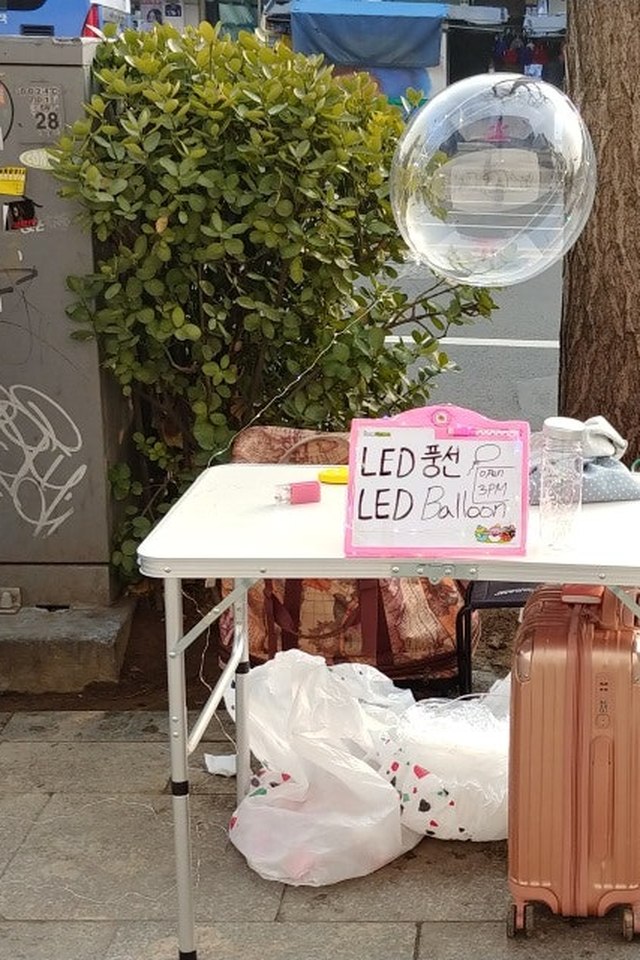
Street stall in Seoul
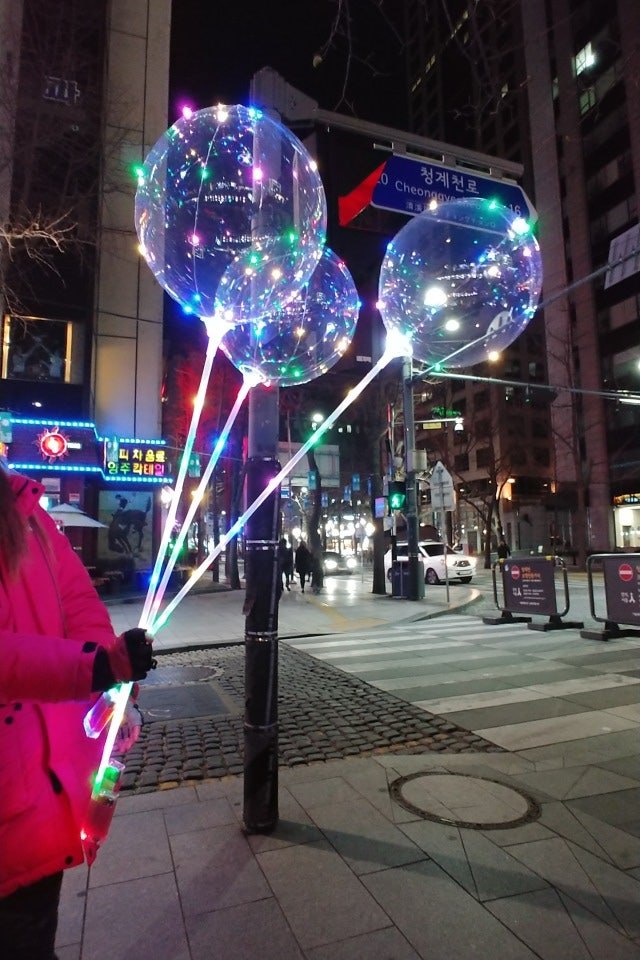
Selling Korean-made socks, then LED balloons through the winter.
-
2018
Consignment selling
Most Korean consumers buy online, so that is the market we went into.
-
2019
Teaching Korean distribution
Started running courses on selling into the Korean market.
-
2020
Published a book on selling through Naver Smart Store
A bestseller for six years running. Most people in Korea shop on Naver Smart Store.
-
2024
Started importing overseas brands
Sanrio character goods from Japan were the first line. Other overseas brands followed.
-
2025
Trained around 50 trading companies
Covered sourcing, customs and documentation.
-
2025
Co-developed a product line, and exported it
Joined the development of a Korean nail product line and shipped it to buyers in Japan and Taiwan.
The first call when a buyer needs Korea
Within three years, when a buyer anywhere needs a Korean product, we want to be the first company they write to. We judge ourselves by how many accounts come back for a second order.
Who you will be working with
Your inquiry goes to whoever knows that product line best, and that person stays with the account. The rest of the team can see the same records, so nothing stalls when someone is away.

Soeol Park
“I go and look at it myself before I answer.”

Seonjae Ko
“I look at whether a price will hold, not just today’s number.”

Hyunhee Shin
“If a schedule slips, you hear it the same day.”
Your first inquiry is answered within 24 hours, and everything after that within 48.
Only what passes our inspection gets loaded
I started out selling on the street
It was the winter of 2017. On a day a record cold snap came through, I sold Korean-made socks on the street. The day I brought LED balloons, everything I carried was gone by evening. Filling them with helium all day gave me frostbite on my fingers, and the heat pack taped to my stomach left a burn. Stand out there all day and you start to see something. Anyone who cannot understand your product in three seconds keeps walking. That is where I learned what selling asks of you.
From the following year I sold on Korean online marketplaces on consignment. Well-made products sat unsold. Ordinary ones sold for years. The deals that lasted had something in common, and it was not the product. It came down to whether I could trust them when they said the stock was there, whether the terms were written down, and whether the goods matched what I had been told.
I still work in that order. Suppliers are checked before we start. Price, MOQ and lead time reach you in writing before anything is committed. Goods are inspected and photographed before they load.
So there is only one promise we make when we start working with a buyer: we will not tell you we can do something we cannot.
Soeol Park · Founder, Biondi International LinkedIn
Sourcing from Korea is hard without someone local
Overseas buyers keep hitting the same problems. Each one is a job we take off your desk.
Makers put off inquiries from abroad
Export inquiries need a separate quotation process, so they sit at the bottom of the pile. We approach them as a Korean company, in Korean, so we get an answer.
No way to check a supplier remotely
A website tells you nothing about a factory floor. We verify the supplier before you are asked to commit anything.
Language gaps become costly mistakes
A spec lost in translation or a form filled out wrong costs money at the port. Every term is confirmed in writing, in both languages.
No single party runs the whole thing
We run the order end to end. Your first inquiry, your quotation, your inspection report and your shipping documents all come from the same person, so you never explain the same specification twice.